Quick Summary
Plastic surgery patients don’t book impulsively. They research for weeks, study before-and-after galleries, and read every review. This guide covers ten marketing strategies that help practices build the trust these patients need, starting with the visual documentation that makes every other channel more credible.
Why Plastic Surgery Practices Struggle to Stand Out
The plastic surgery market is highly competitive, with thousands of practices competing for patients. Credentials alone won’t differentiate your practice. Someone considering rhinoplasty or body contouring may spend weeks reviewing before-and-after photos, reading reviews, and watching videos before requesting a consultation. More than 50% of cosmetic surgery patients have been influenced by social media, and 75% won’t consider a practice without a gallery on its website.
Why Listen to Us
At RxPhoto, we help plastic surgery, dermatology, and aesthetic practices capture and showcase patient results with clinical precision. Thousands of practices use our platform to document surgical journeys from consultation through recovery.
1. Before-and-After Patient Galleries
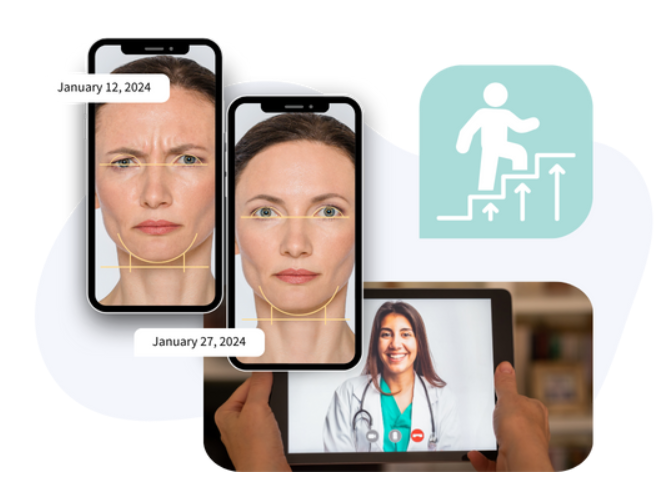
Your gallery is the primary evidence of your surgical skill and artistic eye. According to an RxPhoto survey, 42.9% of prospective patients rank before-and-after galleries as their top priority when searching for a practice, and 74.8% won’t consider a practice without one.
What makes galleries effective:
- Consistent lighting (5000K color temperature, 45-degree diffused lighting)
- Standardized positioning with alignment guides
- Organization by procedure type and patient characteristics
- High-resolution images that allow zoom without pixelation
- Documented HIPAA compliance and patient consent
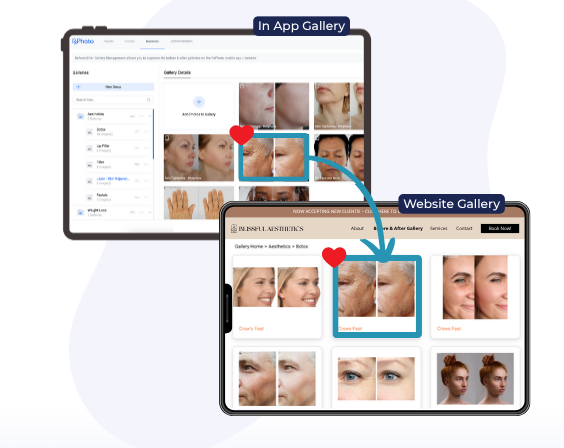
RxPhoto transforms this process with alignment guides, ghosting features for comparison shots, and automated consent tracking.
2. Social Media Marketing
Social media plays a powerful role in plastic surgery marketing. Instagram and TikTok are natural fits for showcasing results. Over 50% of cosmetic surgery patients have been influenced by social media.
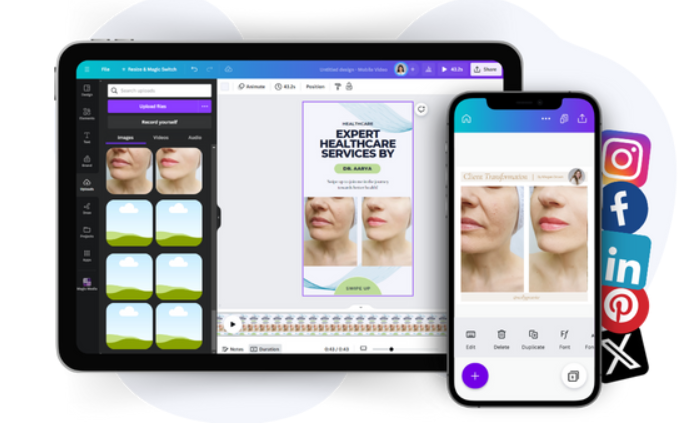
High-performing content types:
- Educational posts explaining procedures and recovery timelines
- Real patient journeys (with consent)
- Surgeon and staff introductions that build familiarity
- Myth-busting content addressing common misconceptions
- Behind-the-scenes glimpses of your practice environment
3. Search Engine Optimization (SEO)
SEO remains one of the most reliable sources of high-intent plastic surgery leads. High-intent keywords generate higher conversion rates, and long-tail keywords with location modifiers offer better conversion rates than single-word searches.
- Comprehensive procedure pages covering candidacy, techniques, recovery, and risks
- Local optimization with city names in titles and content
- Google Business Profile fully completed with photos and services
- Fast load times and mobile responsiveness
4. Video Marketing and Educational Content
Video conveys empathy, expertise, and transparency in ways text cannot. Patients who watch educational videos arrive at consultations more informed, more confident, and more likely to proceed.
- Procedure explanation videos with 3D animation or surgeon narration
- Behind-the-scenes tours of your surgical environment
- Recovery timeline discussions setting realistic expectations
- Live Q&A sessions or webinars addressing common concerns
- Patient testimonial videos (with consent)
5. Patient Testimonials and Reviews
Reviews function as peer-to-peer testimony about trust and experience. Request reviews at the right moment—typically after the final follow-up. Showcase the best testimonials on your website alongside the corresponding gallery photos. Even negative feedback, handled professionally, demonstrates accountability and builds trust.
6. Content Marketing and Blogging
Content marketing establishes authority long before a consultation is booked. High-value topics include procedure comparisons, recovery expectations and timelines, candidacy criteria, and what to expect during consultation. Support content with an email newsletter that delivers genuine insights alongside links to relevant galleries.
7. Paid Advertising (PPC and Social Media Ads)
Google Ads capture high-intent searches, while Meta ads target precise demographics interested in cosmetic enhancement. Ads with authentic before-and-after visuals typically see higher engagement than stock imagery. Retargeting is particularly effective because patients often revisit a website multiple times before committing.
8. Website Optimization and User Experience
All marketing directs traffic to your website. A high-converting plastic surgery website must be mobile-responsive, load instantly, and guide users intuitively. Your website is your digital consultation room—well-organized galleries directly answer the patient’s most important question: can this surgeon deliver results like these?
9. Email Marketing Campaigns
Email marketing is a very cost-effective channel for nurturing patient relationships. Segment your list carefully—send different content to rhinoplasty inquiries than to breast augmentation leads. Embedding professional, compliant photos personalizes communication and reinforces decision quality.
10. Referral Programs and Partnership Marketing
Word-of-mouth referrals convert at the highest rate. Building partnerships with dermatologists, OB/GYNs, and bariatric surgeons creates steady referral streams. Practices demonstrating consistent, high-quality results become preferred referral destinations. With RxPhoto, practices can quickly access HIPAA-compliant, consent-approved visuals organized by procedure type.
Build a Marketing Foundation with Professional Documentation
Consistent, high-quality before-and-after photos are the single asset that improves every other marketing channel. RxPhoto eliminates the administrative burden and security risks of DIY photo management. Book your demo today.
Explore this post
Book a demo to see RxPhoto in action